The IoT technologies: Divide and connect
Over the past several years the Internet of Things has evolved beyond recognition, opening up new possibilities and changing how businesses, governments, and even private households function. For some people the IoT is about digital connectivity and centralized control, while for others it’s about access to data, providing invaluable business insights that were impossible to obtain just about a decade ago. This diversity of use cases is what makes the IoT so differentiated in terms of protocols, devices, and technologies.
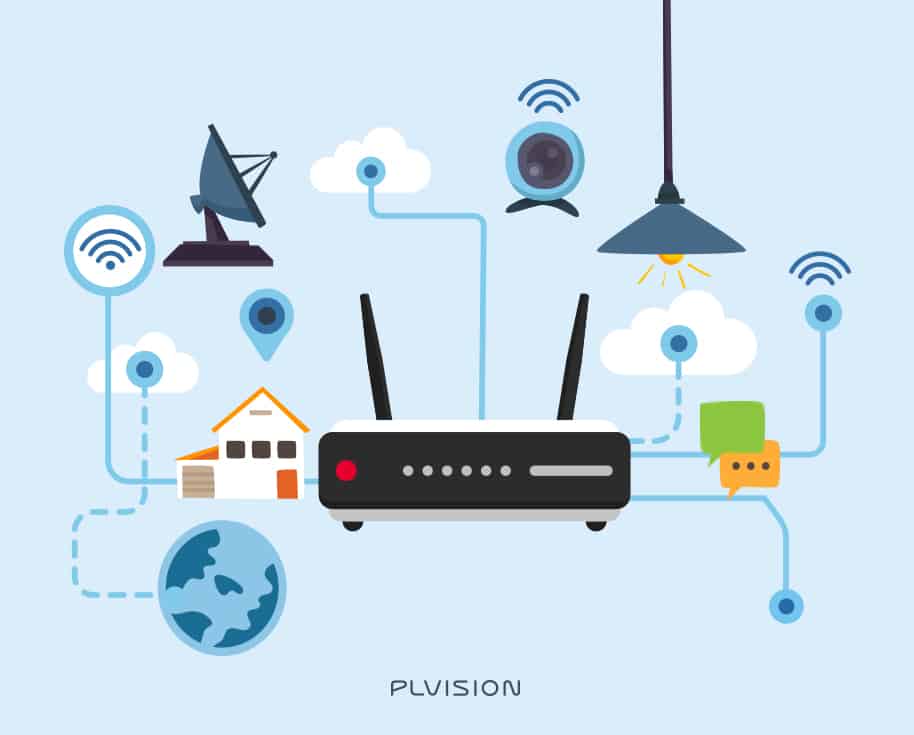
As advanced as IoT solutions may be on the outside, at its core they consist of a strictly defined software set that is tailored specifically to meet the end-user’s needs. For example, a smart home system does not require low energy consumption as the energy source is always near, but it gravitates towards broad bandwidth requirements for real-time data exchange. A sensor placed on industrial equipment, on the contrary, requires an extended battery life, but does not necessarily need broad bandwidth, as the signals it sends and receives are much rarer in time. Bandwidth and energy consumption are just two technical factors to take into consideration when building an IoT infrastructure, with implementation cost being a key business factor.
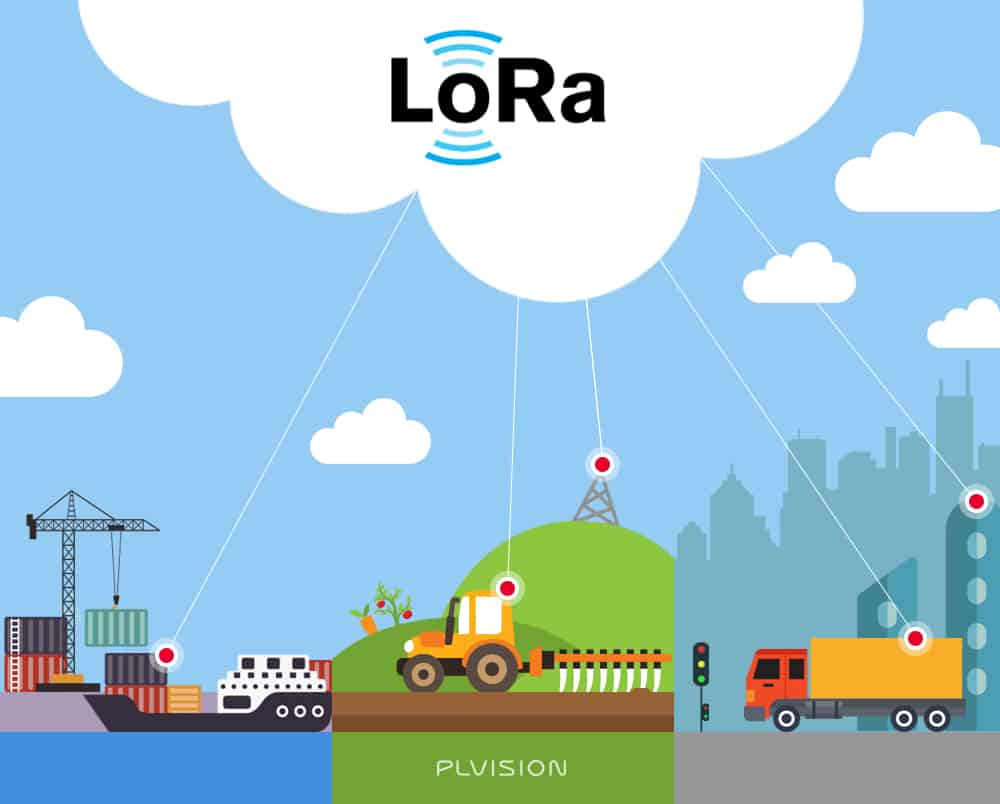
With the variety of IoT protocols and technologies that exist today, different tasks and use cases can be addressed effectively with different technological solutions. One of the latest and most discussed IoT innovations is LoRa (LoraWAN) – an open source LPWAN standard developed by SemTech that has boomed thanks to the crowdfunding effort of The Things Network initiative, as well as support by tech giants like IBM and Cisco.
What is it that LoRa has to offer to the IoT world that other IoT technologies don’t have?
LoRa’s promise
Disclaimer: LoRa is unlikely to become the ultimate IoT technology that will kick WiFi and Bluetooth off the scene, although its creators’ goal is rather ambitious – “global adoption of the LoRaWAN standard by ensuring interoperability of all LoRaWAN products and technologies, to enable the IoT to deliver a sustainable future” [1]. While the fulfillment of this mission remains to be seen, LoRa can be a perfect choice for a particular set of IoT scenarios thanks to its unique combination of features.
Ultra-low energy consumption
A node running LoRA is expected to have very long (nearly 10 years) battery life thanks to the protocol’s low energy consumption, in contrast with WiFi nodes that usually require constant or frequent charging.
Low bandwidth: Not an issue?
LoRa’s bandwidth is limited to 32 kbit/s, which makes it useless for live multimedia streaming. On the other hand, if you need to receive periodic status updates about the state of your assets with LoRa-enabled sensors installed on them, 32 kbit/s will do just fine.
Low cost
Thanks to the restricted bandwidth, a LoRa-based network will be much cheaper to implement and maintain than a network based on other protocols. Basically, network hardware requirements for a LoRa environment are much lower, and paired with low energy consumption, it can make a very cost-effective IoT infrastructure.
Unpreceded signal length
As has been already proven in deployments like Sydney’s first LoRaWAN-based IoT network [2], the protocol can communicate wirelessly over the distance of 15+ kilometers (in comparison, the longest distance a WiFi signal has ever reached is a couple hundred meters).
Geolocation: An alternative to GPS
The only LoRa’s promise that is yet to be field-tested is its ability to provide geolocation data without GPS – a feature that can be invaluable under conditions when location tracking by other means is impossible.
Open source beats all
While there are commercial technologies that can match LoRa in some of its specifications (for instance, SigFox [3]), what makes it so attractive is its open source license. Using LoRa in your IoT infrastructure means that you aren’t tied either legally or technically to any vendor, which is quite beneficial for business, communal, and personal use. Basically, any operators and businesses can provide LoRa-networks within their proprietary service models, and also use LoRa-based infrastructure internally for their business needs.