The digital invasion
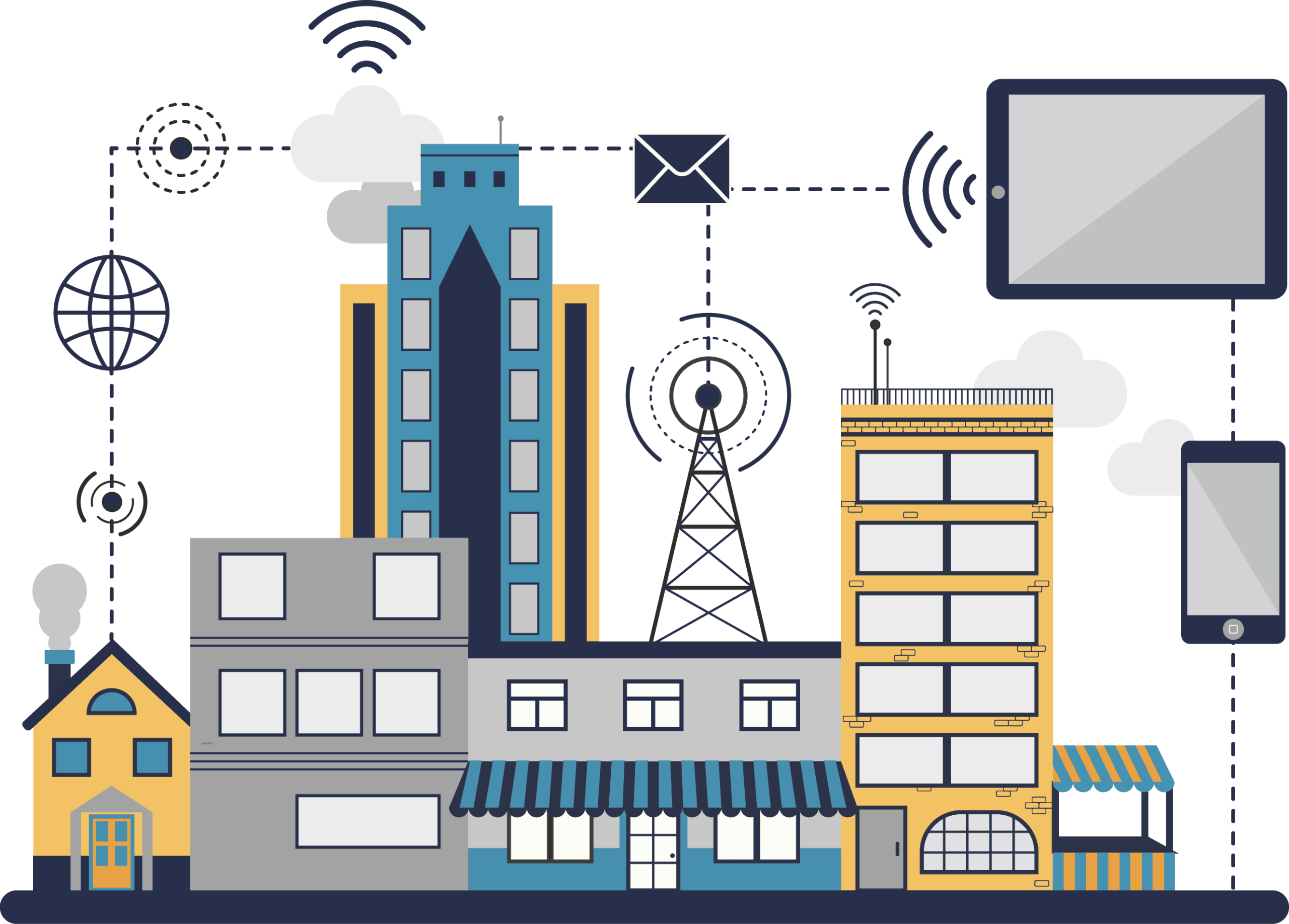
Hollywood movies with humans and machines collaborating in the workplace of the future are starting to become a reality. According to the researches, in 2008 the number of devices connected to the global network exceeded the number of the Earth’s population, marking a transition from the Internet of People to the Internet of Things.
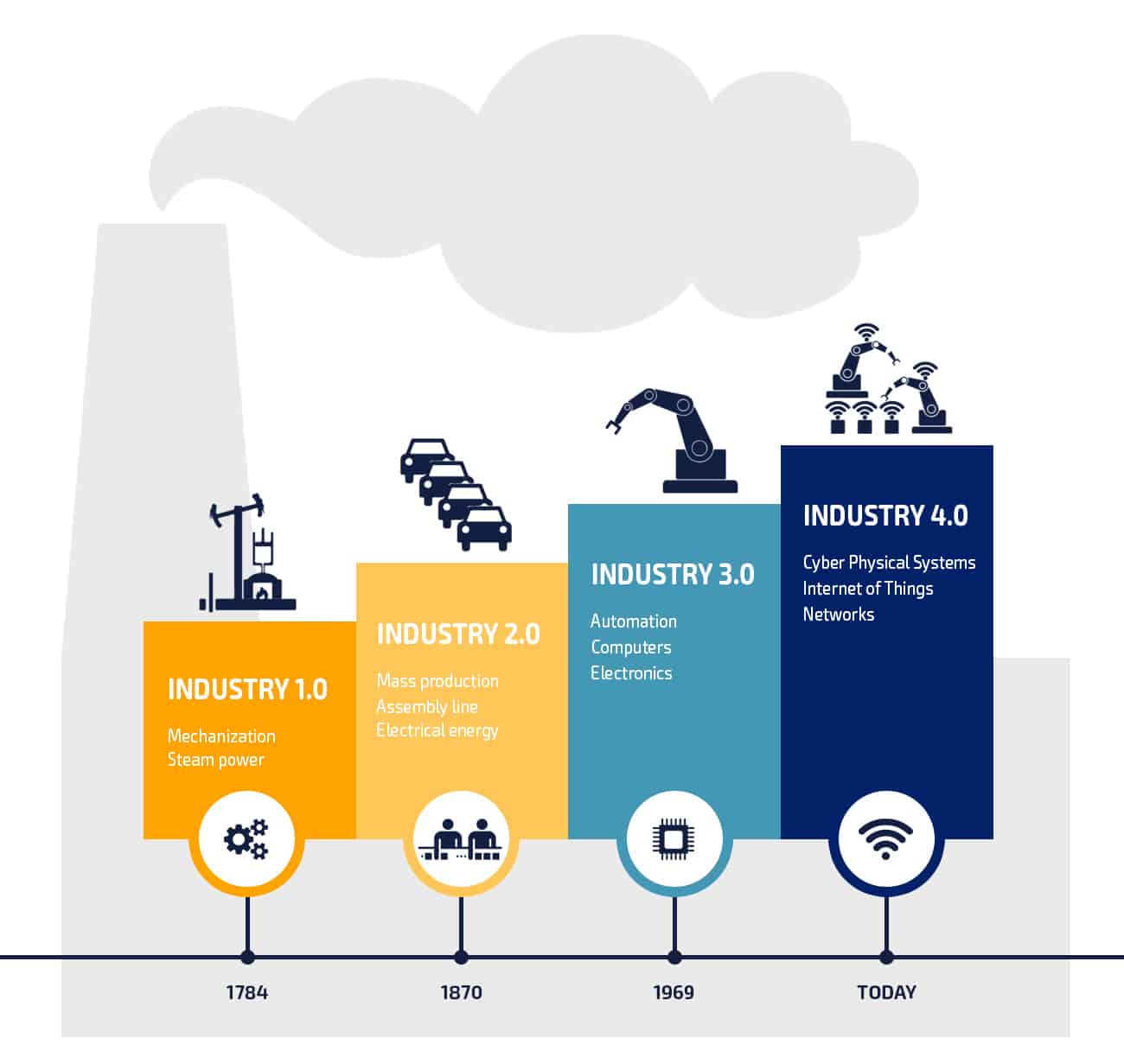
This new wave of connectivity is going beyond consumer gadgets. IoT empowers various industries by making their processes automated and smarter, triggering another step of industrial revolution. With the first one being the introduction of the water and steam engines at the end of the 18th century, the second bringing electrically-powered mass production in the early 1900s, and the third establishing automation of the manufacturing process during the 1970’s, the last 30 years brought the next industrial revolution driving the movement to the visionary Industry 4.0.
Connectivity as a driving force
Each revolution is about making a change. The powerful impulse for the fourth step of industrial transformation was the concept of interoperability – the ability of devices, sensors and people to connect and “talk” to each other, creating a smart network.
As an intersection of mobility, cloud computing and big data analytics, the IoT is a game changer for many industries, enabling them to embed connectivity into physical objects. This leads to new operational efficiencies by minimizing human influence on different industrial processes, as well as to new business intelligence due to information support for decision making empowered by valuable data. With digital infrastructure constantly evolving, IoT is covering almost all domains, spanning a number of previously unimagined applications.
According to PwC research, over 30% of industrial businesses are already benefiting from an advanced level of digitalization achieving up to 10% of additional revenue, and this percentage is expected to more than double by the end of the decade [1]. The IoT enablement is helping companies to improve productivity, reduce operating costs and enhance worker safety. For instance, BP is implementing wearable devices to monitor the health of their employees, suggesting that by 2020 wearables will be widely used in oil and gas sector to sense dangerous chemicals and notify workers in case of emergency [2].
However, for all the importance of the technology, the implementation of the IoT requires organizational changes as well. A connected product enables new services, which means that existing business models should also evolve.
How the industrial IoT is transforming businesses
As an example, let us consider global industrial equipment manufacturers. Previously their products were delivered to a vendor, who in turn sold them to the end-user. In this model, the vendor acted as a mediator between the user and the manufacturer, and the latter was notified only when something went wrong. In addition, the manufacturer knew very little of how the equipment was performing and how it was being used once it left their assembly line.
Now, with sensor-enabled equipment delivering regular telemetry data directly to the manufacturer, they become no longer simply the producer, but also a provider of new data-driven services. This allows the manufacturer to reimagine the business potential of their product and offer their customers new options such as remote management or predictive maintenance. The possibilities are endless!